How a GPS Medical Alert Brings Peace of Mind to Seniors and Their Families
When my mother turned 78, she insisted she was fine living alone. She had her routines, her book club, her weekly coffee with friends. But I worried. Every time the phone rang and it was her, my heart skipped a beat. What if she fell and couldn't reach the phone? What if she got disoriented on one of her walks and couldn't find her way home? I started looking into medical alarms, and that is when I discovered how a GPS medical alert can change the equation entirely.
Traditional home-based systems are good, but they have a big limitation: they only work inside the house. For a senior who still enjoys gardening, walking the dog, or visiting the local shops, that is a serious gap. A GPS medical alert bridges that gap by keeping the safety net active wherever the person goes. It is not just a pendant that works in the kitchen; it is a wearable device that works at the park, the supermarket, or even on a bus across town.
What Makes a GPS Medical Alert Different
A standard medical alarm connects to a landline or a cellular base station at home. Press the button, and an operator calls the home to check on you. That is fine if you are near the base unit. But if you are out in the garden and the base unit is inside, or if you are at the mall and have a dizzy spell, that system is useless. A GPS medical alert uses satellite positioning to know where you are, and a cellular connection to send that location to a response centre or directly to family members. That means help can find you even if you cannot speak or do not know your exact location.
This matters more than many people realise. Falls are the leading cause of injury among seniors in New Zealand, but getting lost or disoriented is another real risk, especially for those with early dementia or memory issues. A GPS-enabled pendant or wristband gives the wearer independence and the family a quiet sense of security.
Key Features to Look For
Not all GPS medical alerts are the same. When I was comparing options for my mother, I found several features that made a real difference in usability and reliability.
- Real-time location tracking: The device should update its position frequently, not just once every few minutes. That way, if someone pushes the emergency button, responders know exactly where they are.
- Fall detection: Automatic fall detection means the device can trigger an alert even if the wearer is unconscious or cannot press the button. This is a critical safety net.
- Two-way calling: Being able to speak directly to a responder through the pendant or base unit allows the wearer to explain what happened, which reduces panic and confusion.
- No monthly fees: Some providers, like Familyr, offer a model with no monthly fees, which makes the device more affordable over the long term and removes a recurring cost from a fixed budget.
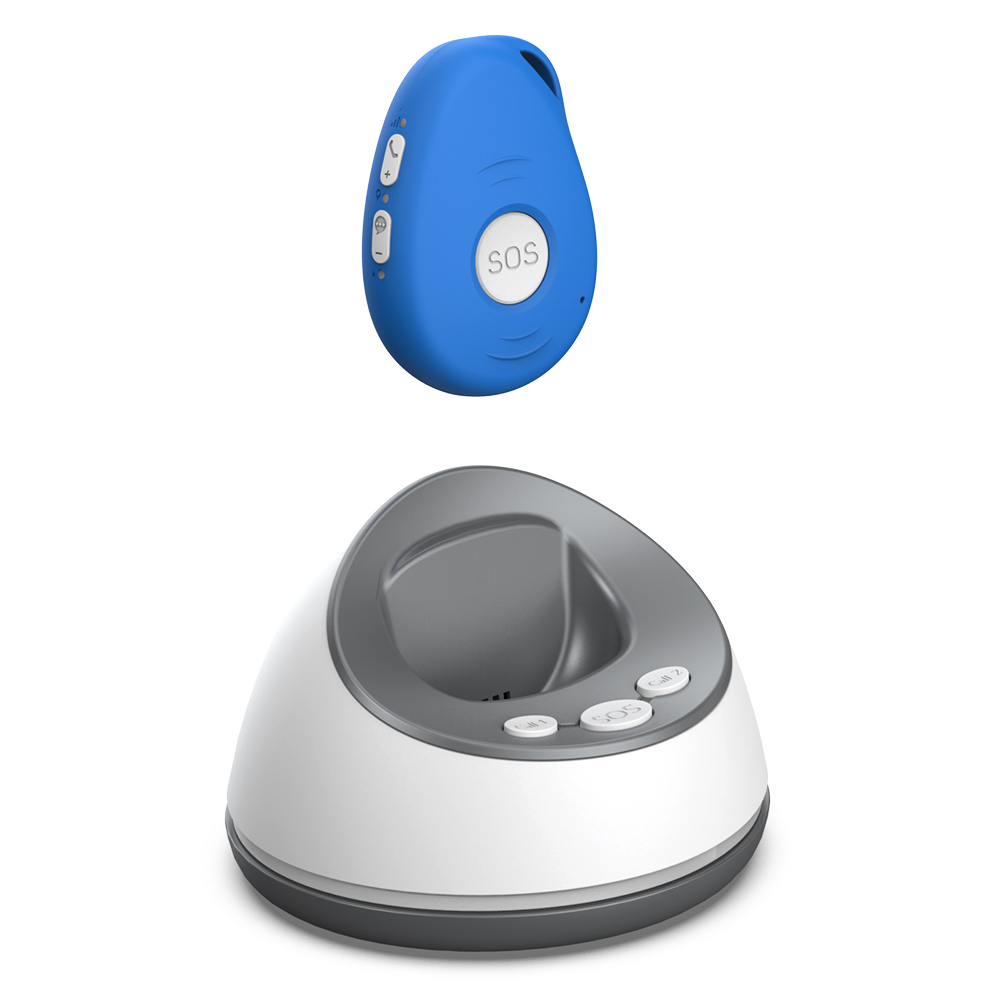
These features come together in a well-designed wearable device. My mother now wears a pendant around her neck. It is lightweight, water-resistant, and she barely notices it. But I notice it. I notice the quiet reassurance it gives me.
How It Works in Practice
Let me paint a typical scenario. An older woman in Christchurch goes for her morning walk along the river. She stumbles on an uneven patch of ground and falls, twisting her ankle. She cannot get up. With a standard home alarm, she would be stuck until a neighbour happened to pass by. But with her GPS medical alert pendant, the fall detection sensor triggers automatically. The device places a call through its cellular connection, and a trained responder at a monitoring centre or a nominated family member receives an alert that includes her real-time location. The responder calls out through the pendant's speaker, "Are you okay?" She can answer that she has fallen and hurt her ankle. The responder then dispatches an ambulance or calls a family member, all while staying on the line with her until help arrives.
That kind of scenario plays out every day. St John Ambulance in New Zealand handles thousands of callouts for seniors who have fallen. Many of those calls come from neighbours or family members who were not notified for hours. A GPS medical alert shortens that delay from hours to minutes.
Comparing Options on the Market
The medical alarm space in New Zealand has several established names. You will see Telecare, Lifeline, and Philips offering various devices. Telecare and Lifeline have been around for decades, and they offer reliable home-based units. Philips has a range of wearable pendants with fall detection. But many of these systems still rely on a home base unit and a landline or a dedicated cellular connection that only works within range of the house. They are not truly mobile.
For active seniors who spend time away from home, a GPS-based solution is a different class of product. Familyr, for instance, offers a device that combines GPS tracking, fall detection, and two-way calling, and it works on the mobile network. It does not require a landline or a base station. The wearer can go anywhere in New Zealand and still have the same level of protection. That mobility is a game-changer in a practical sense, even if the phrase is overused. It is genuinely different from what was available five years ago.
Compatibility and Setup
Most modern GPS medical alert devices work with both Apple and Android smartphones, either through a companion app or by using the phone as a relay for the pendant. Some devices are completely independent and do not need a phone at all; they have their own SIM card and speaker. That is important for seniors who do not carry a smartphone or who find apps confusing. The device simply needs to be charged and worn. Setup often involves registering the device on a web portal, adding emergency contacts, and testing the connection. It takes about ten minutes.

The battery life on these pendants varies. Some last a full day and need nightly charging; others can go for several days between charges. For someone who forgets to charge things, a longer battery life is a practical necessity. Look for devices that give audible or visual low-battery warnings, so the wearer is not caught off guard.
Family Monitoring and Peace of Mind
One of the most reassuring features of a modern GPS medical alert is family monitoring. Instead of all alerts going to a remote call centre, family members can receive notifications directly on their phones. That means a daughter in Wellington gets an instant text or app alert if her father in Dunedin has pressed the button or if the fall detection has been triggered. She can then listen in on the two-way call or call him herself. That level of involvement is deeply comforting. It turns a safety device into a family connection tool.
I remember the first time my mother tested her pendant. She pressed the button to see what would happen. Within seconds, my phone buzzed. I could hear her voice through the pendant's speaker asking if I could hear her. I laughed. She laughed. But that moment of connection, knowing I could hear her from across the city, was worth the entire cost of the device.
Practical Considerations for Choosing a Device
If you are looking for a GPS medical alert for a loved one, here are a few things to keep in mind.
- Coverage area: Make sure the device works in your region. Some devices use the Vodafone or Spark network in New Zealand, and coverage can vary in rural areas.
- Water resistance: A pendant that cannot be worn in the shower is a safety risk, because many falls happen in the bathroom. Look for at least IP67 or IP68 rating.
- Battery life and charging: A device that needs daily charging is fine if the wearer remembers. For some, a longer battery or a simple charging dock makes life easier.
- Cost structure: Some devices have an upfront cost plus a monthly subscription. Others, like those from Familyr, have no monthly fees after the initial purchase. Over two or three years, that difference adds up significantly.
- Ease of wearing: A pendant should be comfortable enough to wear all day. Some people prefer a wristband. If the device is annoying, the user will take it off, and then it cannot help.
It is also worth checking whether the device uses traditional cellular voice calling or VoIP for the two-way call. VoIP can sometimes have a slight delay, but it is usually fine for a short emergency conversation. Cellular voice tends to be more reliable in areas with patchy data coverage.

Final Thoughts
Choosing a medical alarm for a senior is a deeply personal decision. It is about balancing independence with safety, and about respecting the dignity of the person who will wear it. A GPS medical alert offers a way to extend the safety net beyond the four walls of a home. It lets a senior continue to live life on their own terms, knowing that if something goes wrong, help is not far away. For the family, it means fewer sleepless nights and fewer calls that go unanswered.
If you are considering this for a parent or a partner, talk to them about it. Let them see the device, try it on, and understand how it works. Many seniors are resistant at first, but once they realise it does not restrict them and actually gives them more freedom, they often become its biggest advocates. That is what happened in my family. My mother calls her pendant her little guardian. And I sleep better knowing she has it.